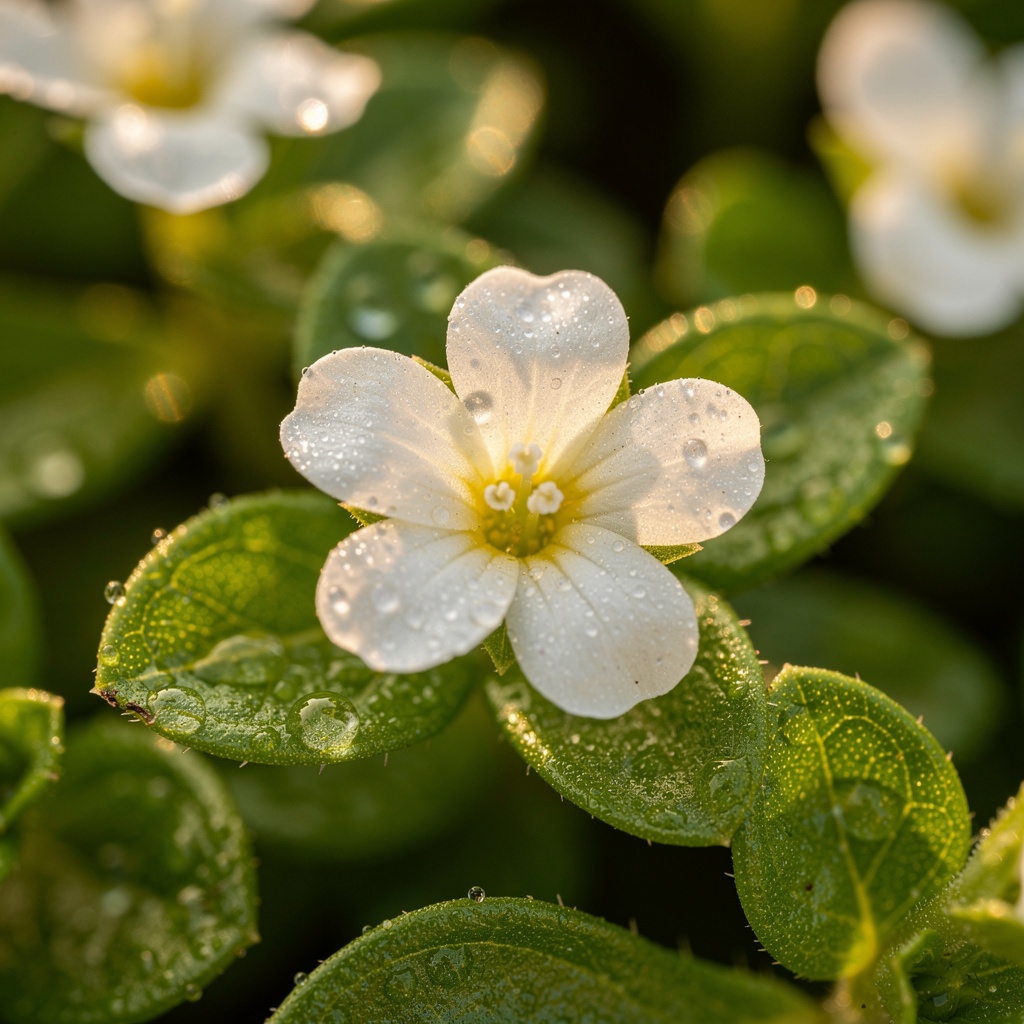
 Brahmi.in
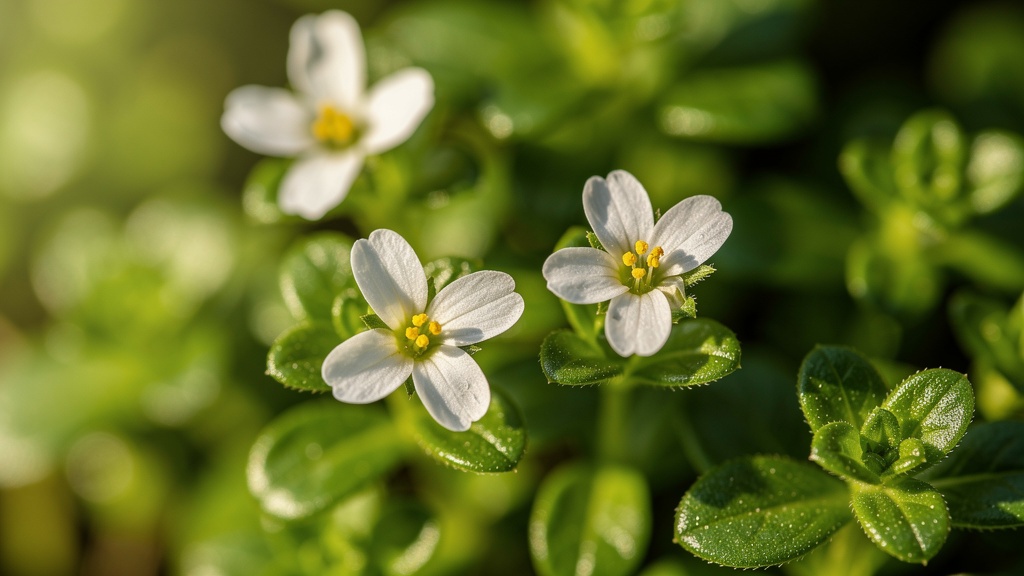
Scientific Identity & Taxonomy
Brahmi is the common Ayurvedic name for Bacopa monnieri (L.) Pennell, a member of the Plantaginaceae family (formerly placed in Scrophulariaceae). The species was first described by Carl Linnaeus as Lysimachia monnieri before being reclassified into the genus Bacopa by Francis W. Pennell in 1946.
| Rank | Classification |
|---|---|
| Kingdom | Plantae |
| Clade | Angiosperms |
| Clade | Eudicots |
| Clade | Asterids |
| Order | Lamiales |
| Family | Plantaginaceae |
| Genus | Bacopa |
| Species | B. monnieri |
Botanical Description
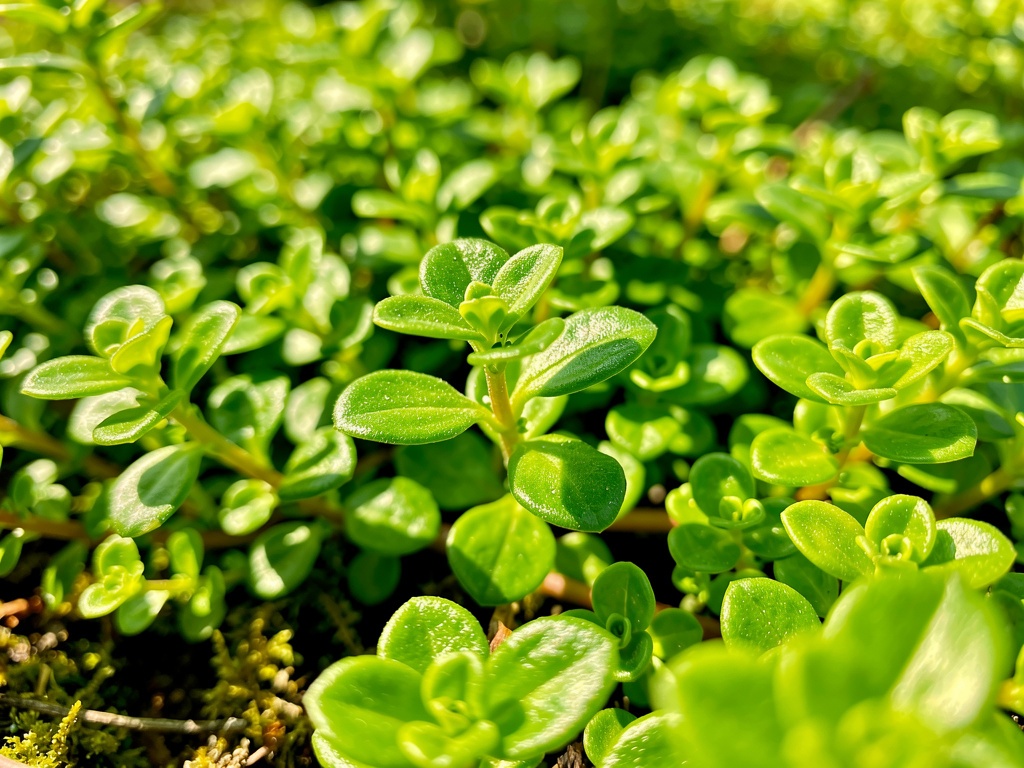
Bacopa monnieri is a creeping, succulent, perennial herb that grows close to the ground, sending out runners (stolons) that root at the nodes.
- Stems: Fleshy, glabrous (smooth), 10–40 cm long, rooting at the nodes.
- Leaves: Small, oblong to spatulate (spoon-shaped), 0.6–2.5 cm long, succulent, arranged oppositely along the stem. Bright green with smooth margins and faint parallel veins.
- Flowers: Solitary, axillary, with five white or pale purple petals and a yellow center. Bloom throughout the growing season.
- Fruit: Small ovoid capsules containing numerous tiny seeds.
Habitat & Distribution
Brahmi is native to the Indian subcontinent but has a pantropical distribution, found in wetlands across Southeast Asia, Australia, the Americas, and Africa. It thrives in:
- Marshes, wetlands, and muddy shores
- Shallow water margins of ponds and streams
- Rice paddies and irrigation channels
- Coastal brackish areas (salt-tolerant)
The plant is hardy and fast-growing, often considered a weed in its native range. It can be easily cultivated as a marginal pond plant or in shallow containers with consistently moist soil.
Brahmi in Ayurveda (Medhya Rasayana)
In the classical texts of Ayurveda, Brahmi is classified as a Medhya Rasayana — an herb that rejuvenates the mind and intellect (medha = intellect). It has been used for approximately 3,000 years for:
- Improving memory and concentration
- Supporting learning and mental clarity
- Calming the mind (especially in Vata- and Pitta-dominant individuals)
- Supporting healthy sleep patterns
- As a general brain tonic for students and the elderly
Traditional preparations include fresh juice (swarasa), decoction (kwatha), medicated ghee (ghrita), and powder (churna), often combined with other herbs like Gotu Kola (Centella asiatica) or Ashwagandha (Withania somnifera).
“Just as rust remover restores the brightness of metal, Brahmi removes impurities from the mind and restores its pristine clarity.” — Traditional Ayurvedic saying
Phytochemistry

The primary biologically active compounds in Brahmi are bacosides, a group of triterpenoid saponins unique to the Bacopa genus. Key constituents include:
- Bacoside A (a mixture of bacoside A3, bacopaside II, bacopaside X, bacopaside N1, and bacopaside N2) — considered the major active fraction
- Bacoside B (closely related to bacoside A)
- Bacopasaponins A–G
- Alkaloids: brahmine, herpestine
- Sterols: beta-sitosterol, stigmasterol
- Flavonoids and polyphenols
The bacoside content is the key marker of extract quality. Standardized extracts typically contain 20–55% bacosides, with the majority of clinical research using extracts standardized to 50% bacosides.
Common Names & Potential Confusion
| Language / Region | Name |
|---|---|
| Sanskrit | Brahmi, Sarasvati, Kapotavanka |
| Hindi | Brahmi, Jalnim, Brahmi buti |
| English | Water hyssop, Herb of grace, Indian pennywort |
| Tamil | Brahmi, Neerbrahmi |
| Telugu | Sambrani chettu, Brahmi |
| Malayalam | Brahmi |
| Kannada | Brahmi, Ondelaga |
| Chinese | Bacopa (假马齿苋) |
⚠️ Important: In many parts of India (particularly the north and west), the name “Brahmi” is also used for Centella asiatica (Gotu Kola), while Bacopa monnieri is called “Neerbrahmi” (water Brahmi). This regional naming variation has caused significant confusion in both the herbal market and the scientific literature.
Why Differentiating Brahmi Matters
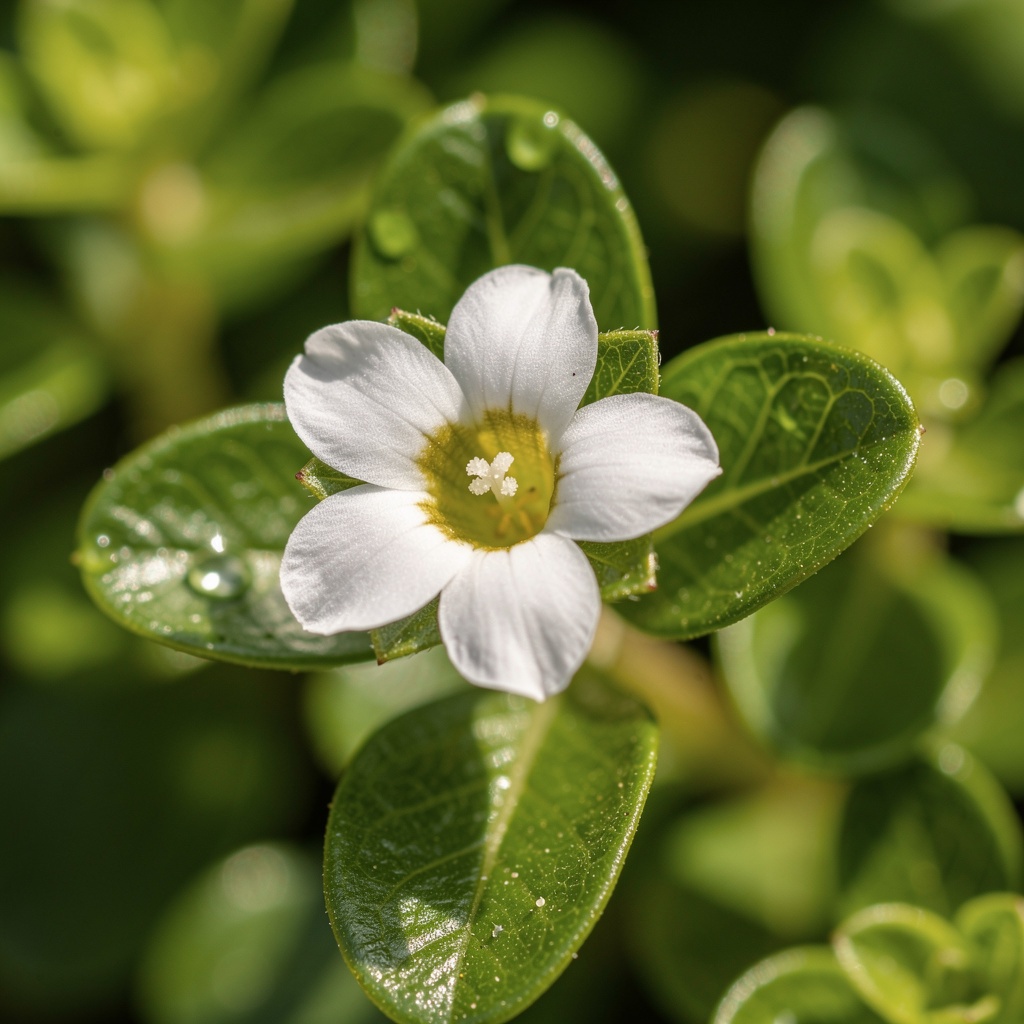
Distinguishing Bacopa monnieri from Centella asiatica is crucial because:
- Different active compounds: Brahmi has bacosides; Gotu Kola has triterpenoids like asiaticoside and madecassoside.
- Different primary uses: Brahmi is primarily a cognitive/nerve tonic; Gotu Kola is traditionally used for wound healing, skin health, and venous circulation.
- Safety profiles differ: While both are generally safe, they have different contraindications and potential interactions.
- Regulatory implications: Products labeled simply “Brahmi” may contain either herb, leading to inconsistent dosing and effects.
Medical Disclaimer: The content on this page is for educational purposes only. Brahmi (Bacopa monnieri) is a dietary supplement and has not been evaluated by the FDA for the treatment or prevention of any disease. Consult a qualified healthcare practitioner before use.