 Brahmi.in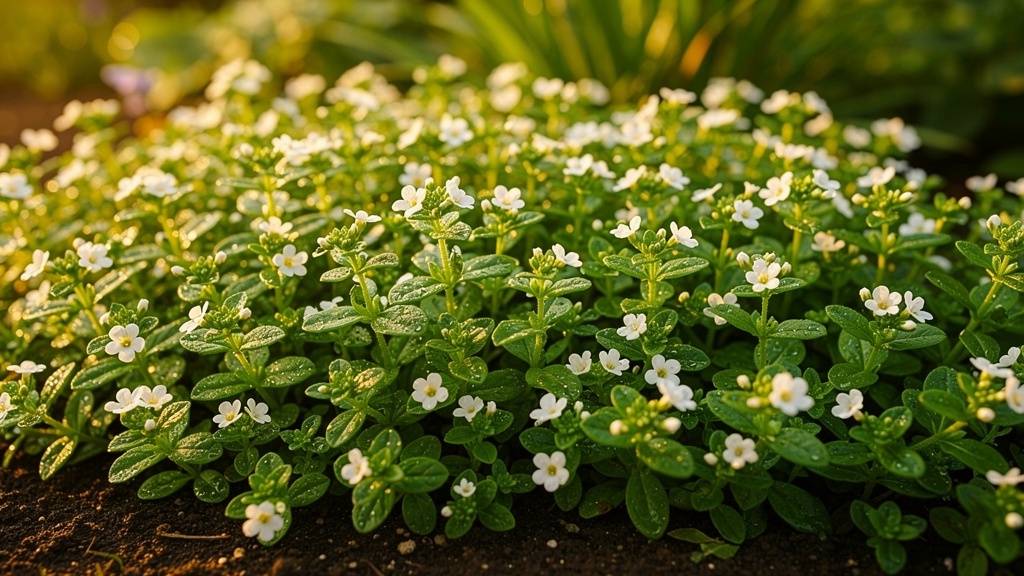
Quick Overview
| Factor | Requirement |
|---|---|
| Difficulty | Very easy (great for beginners) |
| Light | Partial shade to dappled sunlight |
| Soil | Rich, loamy, consistently wet or waterlogged |
| Water | Constant moisture — never allow to dry out |
| Temperature | 20–35°C (68–95°F), frost-sensitive |
| Growth habit | Creeping ground-cover, spreads via runners |
| Time to harvest | 6–8 weeks from established cuttings |
Containers & Location
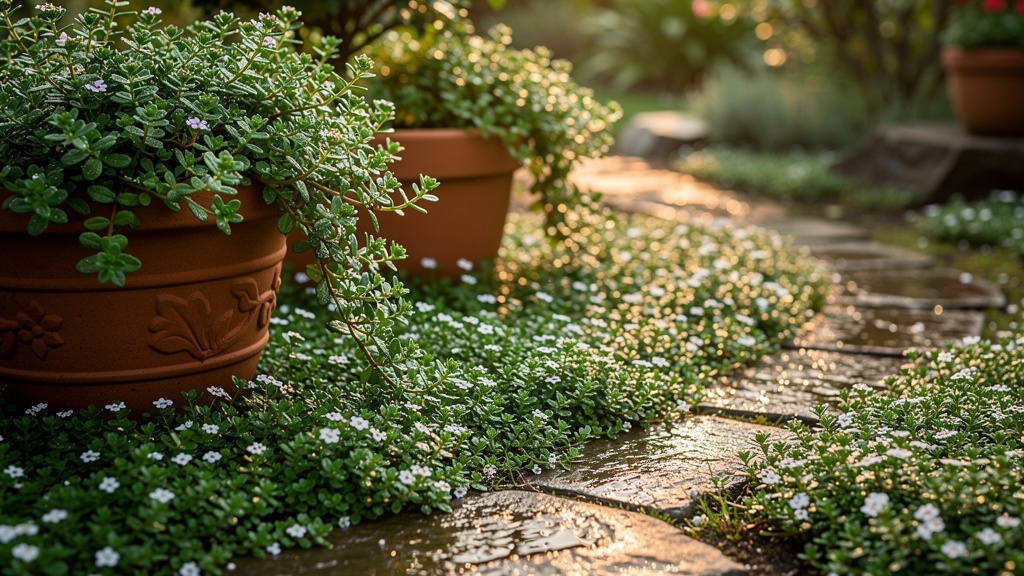
Brahmi is a wetland plant and thrives in conditions that would drown most other herbs. The key is to keep the roots constantly moist.
- Best container: A shallow pot (10–15 cm deep) without drainage holes, or a pot sitting in a water-filled saucer.
- Indoor: A bright windowsill with indirect light or a bathroom with humidity.
- Outdoor: Pond margins, water features, or shaded garden beds with consistently moist soil.
- Winter care: In temperate climates, bring pots indoors before the first frost. Brahmi is not frost-hardy.
Soil & Water Requirements
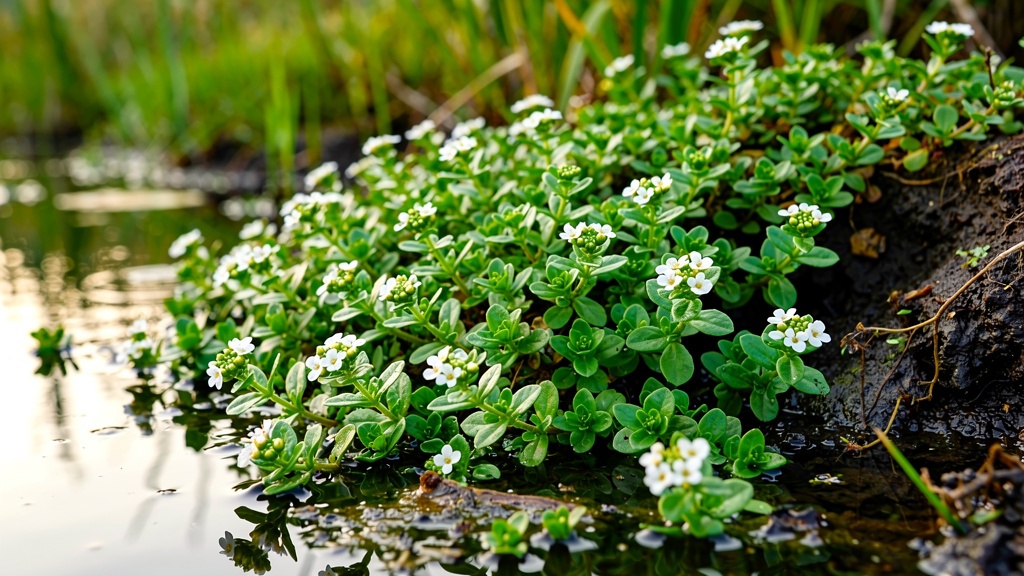
Soil: Rich, loamy garden soil mixed with compost or well-rotted manure. A slightly acidic to neutral pH (6.0–7.5) is ideal. Brahmi can also be grown in aquatic soil or even in plain water with added nutrients.
Water: This is the single most important factor. Brahmi must never dry out. Keep the soil waterlogged — the pot should sit in a tray of water at all times. In hot weather, water twice daily if needed. Use rainwater if possible; tap water is generally fine.
Propagation Methods
From Stem Cuttings (Easiest & Fastest)
- Take 10–15 cm stem cuttings from a healthy Brahmi plant.
- Remove leaves from the lower half of the cutting.
- Plant the cutting directly in moist soil, burying at least one node.
- Keep the soil constantly wet. Roots will form within 7–14 days.
- New runners will begin spreading within 3–4 weeks.
From Seeds (Slower)
- Sow seeds on the surface of moist soil — do not cover them (they need light to germinate).
- Keep soil consistently moist and warm (25–30°C / 77–86°F).
- Germination takes 2–4 weeks.
- Transplant seedlings when they have 4–6 true leaves.
Division
Established clumps can be divided by carefully separating rooted runners and replanting them. This is best done in spring or early summer.
Daily & Weekly Care
- Water: Check daily. The soil should feel like a wet sponge at all times.
- Fertilizer: Apply a balanced liquid fertilizer (diluted to half strength) every 4–6 weeks during the growing season (spring–autumn).
- Pruning: Trim back runners that grow beyond the pot. Regular harvesting encourages bushier growth.
- Cleaning: Rinse leaves occasionally to remove dust, especially if grown indoors.
- Repotting: Brahmi grows quickly and may need repotting every 6–12 months if it becomes root-bound.
Pests & Common Problems
Brahmi is relatively pest-resistant, but occasional issues may arise:
| Problem | Cause | Solution |
|---|---|---|
| Yellowing leaves | Too much direct sun or nutrient deficiency | Move to shadier spot; apply diluted fertilizer |
| Brown, crispy leaf edges | Underwatering or low humidity | Increase watering; mist leaves daily |
| Aphids | Pest infestation | Spray with neem oil solution or insecticidal soap |
| Slow growth | Low temperature or insufficient light | Move to a warmer, brighter location |
| Mold on soil surface | Poor air circulation | Improve ventilation; remove affected soil layer |
Harvesting & Storing

You can begin harvesting once the plant is well-established (6–8 weeks after planting cuttings):
- Snip the top 5–10 cm of stems (the tender growing tips).
- Harvest no more than one-third of the plant at a time to allow regrowth.
- Brahmi grows fast — you can harvest every 2–3 weeks during the growing season.
- Fresh use: Use immediately in teas, juices, or smoothies.
- Drying: Spread leaves in a single layer in a well-ventilated, shaded area. Once completely dry, store in an airtight glass jar away from light. Dried Brahmi keeps for 6–12 months.
Sustainability & Ethical Sourcing

Wild harvesting of Brahmi can put pressure on native wetland ecosystems. We encourage:
- Grow your own: Brahmi is so easy to propagate that a single plant can provide a lifelong supply.
- Source from ethical sellers: If buying Brahmi powder or plants, choose vendors who practice sustainable cultivation (not wild-harvested).
- Avoid overharvesting: When buying dried Brahmi, look for certified organic or cultivated sources.
Medical Disclaimer: This information is for educational purposes only. Consult a healthcare professional before using Brahmi medicinally.